



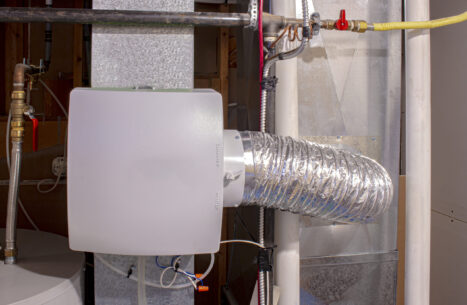
Maintaining proper humidity levels in your home is more than a matter of your family’s comfort. Humidity can affect your health, the air quality in your living space, and the structural integrity of your home. You may notice that your indoor air feels dry during the winter months, while you may notice excess moisture during the summer. Understanding why humidity levels fluctuate, the problems they can create, and the solutions that are available to you can help you protect your home and family.
Why Humidity Levels Drop in Winter
During colder months, outdoor air naturally holds less moisture. When this cold air enters your home and you heat it, its relative humidity decreases further. Winter often brings dry, static-filled air indoors. Homes equipped with central heating systems make the problem worse, as forced-air heat reduces moisture even more, leaving indoor air dry and uncomfortable. Low humidity creates problems that will impact your health and your home.
Health Implications of Low Indoor Humidity
Dry indoor air can irritate your skin, throat, and nasal passages. You may notice that you have chapped lips, dry skin, or scratchy eyes when humidity levels fall below the recommended 30% to 50% range. In addition, low humidity can irritate respiratory conditions, like asthma and allergies. Also, airborne viruses tend to thrive in dry environments, which will increase your chance of getting sick.
Low humidity also contributes to discomfort during sleep, leaving you waking up with a dry throat or congestion. For children or older adults with compromised immune systems, these effects can be worse.
Impact on Your Home
Dry air does not just affect your health; it also has an impact on your home. Wood flooring, trim, and furniture can crack when moisture levels fall too low. Paint may flake or peel, and gaps can appear around window and door frames. Homes with lower indoor humidity also tend to feel colder, prompting you to raise thermostat settings and, as a result, increase energy bills.
High humidity, which is often a problem in summer, can encourage mold and mildew growth, rot wooden structures, and damage drywall and insulation. Maintaining a balance is important if you want to preserve the structural integrity of your home.
Solutions for Low Winter Humidity
To keep your home comfortable during dry winter months, it is important to implement solutions that add moisture back into the air. There are several effective ways to achieve this, and each will maintain indoor humidity levels and reduce the problems caused by overly dry air.
Using a Humidifier
One of the most effective ways to combat low humidity in winter is a whole-home or portable humidifier. Whole-home humidifiers integrate with your HVAC system, adding moisture to the air as your furnace circulates it. Portable units are convenient if you only need to add humidity to a single room, but they have regular refilling and cleaning needs.
Setting your humidifier between 30% to 50% relative humidity helps reduce the chance that you will experience dry skin, irritated sinuses, and structural issues. It is important not to exceed this range, as overly humid conditions will create a breeding ground for mold and dust mites.
Ventilation and Airflow
Proper ventilation helps maintain humidity levels throughout your home. Using exhaust fans in bathrooms and kitchens will help to remove excess moisture, while opening vents or doors slightly in dry rooms can distribute humidity more evenly. Balanced airflow helps to make sure that your system works efficiently while helping you maintain a comfortable environment.
Indoor Plants
Houseplants can naturally increase indoor humidity through transpiration, which is when plants release moisture into the air. Some of the plants that can do this include ferns, peace lilies, and areca palms. While plants alone will not regulate humidity, they can complement other methods and help to improve indoor air quality.
Water Sources in the Home
Running water sources like fish tanks or indoor fountains can also contribute to higher humidity levels in small areas. While these are minor solutions, they can complement a humidifier to help maintain more consistent moisture in the air.
Solutions for High Humidity
While low humidity is common in winter, you may experience excessive indoor humidity at other times of the year. Too much moisture encourages mold growth, condensation on windows, and can damage your furniture and building materials.
Dehumidifiers
Portable or whole-home dehumidifiers remove excess moisture from the air, bringing humidity levels back to a safe range. These devices can help prevent mold, reduce allergens, and make indoor air feel cooler and more comfortable.
Air Conditioning
Your air conditioning system can help to remove excess humidity during the warmer months. Modern units have dehumidifying settings that can pull moisture from the air while the unit is cooling your living space. Making sure that your system is well-maintained allows it to regulate temperature and humidity effectively.
Ventilation Upgrades
Improving ventilation in high-moisture areas can prevent humidity from reaching dangerous levels. Exhaust fans should vent outdoors to avoid trapped moisture that can damage your home.
Monitoring Indoor Humidity
Investing in a hygrometer, which measures relative humidity, allows you to monitor indoor moisture levels. Some smart thermostats are able to track humidity levels in your home and adjust humidifier and dehumidifier settings.
The Role of HVAC Maintenance
Regular maintenance is important for managing indoor humidity. We can inspect your system for leaks, airflow issues, and components that may affect humidity control. Well-maintained systems operate more efficiently, making sure that humidity levels stay within the ideal range while reducing energy costs. Cleaning coils, checking ductwork, and verifying humidifier or dehumidifier operation are part of a seasonal HVAC maintenance session.
Health and Comfort Benefits
Maintaining ideal humidity levels improves comfort, reduces static electricity, and keeps wood furnishings intact. It also reduces the chance of respiratory irritation, dry skin, and the spread of airborne viruses. Homes with properly controlled humidity tend to require less energy for heating and cooling, which means that you will have lower utility bills.
Protecting Your Home and Belongings
Consistent humidity prevents cracking in wood floors, cabinetry, and furniture. It also minimizes the potential for condensation to seep into your walls and create damage. Whether you are preparing for cold winter months or damp summer weather, controlling indoor humidity helps to protect your home.
Control Humidity Levels With Ease
Understanding the impact of humidity levels in your house is important for both health and home maintenance. Low winter humidity levels can cause dry skin, respiratory discomfort, and structural issues. That said, excessive moisture in your home can lead to the formation of mold and allergens. Implementing the solutions we discussed in this blog allows you to maintain balance in your home. At Loves Air, we have been providing the Modesto area with humidity control solutions since 2018. Contact us today to trust our team with your comfort.