



California winters may be mild compared to other states, but temperatures can drop enough to require heat. Despite milder winters, your HVAC system faces challenges that influence efficiency, comfort, and safety. Proper winterization ensures your heating system operates reliably and reduces energy waste.
Why Winterizing Your HVAC System Matters
Winterizing an HVAC system goes beyond a simple checkup. It addresses potential problems and prevents emergencies before the cold weather hits. California homes often experience temperature fluctuations in the winter. These temperature changes can strain heating systems and reduce performance.
Dust accumulation and clogged filters can compromise your system’s ability to maintain steady temperatures. A properly winterized system responds efficiently while conserving energy. It also offers better indoor air quality.
Neglecting winter preparation can lead to sudden breakdowns, uneven heating, and rising utility costs. Older systems or units without regular maintenance can experience expensive failures. Even modern systems require annual maintenance to maintain optimal performance.
Investing in winterization protects your home, budget, and family’s comfort. There are some tasks you can perform, but you should leave most winterization steps to our team.
Steps Involved in Professional Winterization
Your HVAC system needs maintenance even if it’s relatively new. We recommend scheduling heating maintenance in early fall and AC services in early spring.
Heating Element Inspection
Heating elements in furnaces benefit from annual cleaning, and we use this opportunity to check for signs of wear or corrosion. Our inspection process ensures prompt and efficient warming and prevents heat loss that wastes energy. It’s important to avoid making your system work harder to achieve your desired temperature. That means no unexpected breakdowns in the middle of winter.
Ductwork Sealing and Insulation
Leaky or poorly insulated ducts can be a problem, especially in the winter. We will inspect your ductwork and test for leaks and damage. Sealing and insulating ductwork keeps heat where it belongs. It also prevents unnecessary strain on your system.
Thermostat Calibration
An accurate thermostat helps ensure consistent warmth. Testing and recalibrating help a thermostat maintain the correct temperatures. Thermostat calibration can also reduce energy waste.
Lubrication of Moving Parts
Motors, bearings, and fans require lubrication to avoid damage. Friction can lead to increased wear and tear, causing you to replace parts prematurely. Regular lubrication helps prevent overheating and extends component life. It also helps your system work more efficiently.
Vent and Flue System Inspection
Vents and flues must remain clear for proper exhaust and air circulation. We check for blockages or damage to prevent dangerous backdrafts. Backdrafts cause gases to leak inside your home, putting your family in danger.
Inspection and Cleaning
A clean furnace provides safe operation. We inspect the heat exchanger and ensure there are no cracks. A cracked heat exchanger can lead to deadly buildups of carbon monoxide. We also check for any gas leaks. Additionally, our technicians will clean the blower and heat exchanger to ensure safe performance.
Tightening Electrical Connections
Our heating maintenance technicians also check and tighten electrical connections. Over time, vibrations from daily use can loosen connections. Loose connections can lead to overheating, arcing, and serious fire hazards. Always have your electrical connections checked before winter.
Testing Your System
Not only do we need to test your system’s operation, but we also need to ensure its safety devices work. One of the primary safety devices is the limit switch. This device shuts the furnace down if the temperatures get too hot. We will check all the safety switches and ensure they function normally.
Our technician will also run your furnace to perform testing. We check the startup sequence for signs of problems. Our team also performs operational testing that includes combustion analysis. Lastly, we perform a final check to ensure safe operation.
Winterization Steps You Can Perform
While you are waiting for a professional appointment, there are some winterization steps you can perform. Most homeowners address these tasks before they seek a professional appointment.
Clean Around the Furnace
Remove any debris, dust, or clutter from around the furnace. You should also remove flammable items, including spray paint. Store them at least 6 feet away from the furnace for safety. Furnaces need at least 30 inches of clearance on all sides for proper airflow. Check the unit regularly to ensure it’s clean.
Check the Filter
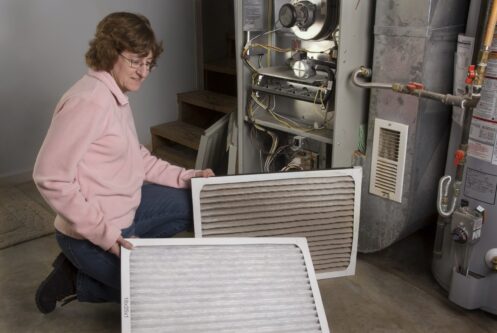
A dirty filter can cause problems like overheating. It can also cause higher energy bills and increased wear and tear. It’s important to follow the manufacturer’s recommendations. Most recommend filter changes every one to three months. Keep up with filter changes for better system performance.
Clean Air Vents and Registers
Ensure all vents are uncovered and free of blockages. Never shut vents in any rooms, including those not in use. Doing so puts added pressure on your furnace. Removing obstructions ensures that heated air can flow throughout your home.
Benefits of Winterization
Winterizing delivers many benefits. Understanding these benefits can help you make informed decisions to protect your system, home, and family.
Improved Energy Efficiency
A winterized system uses less energy to deliver consistent warmth. Clean components and sealed ducts prevent heat loss. These services help your home heating system operate more efficiently, lowering your monthly expenses.
Fewer Unexpected Breakdowns
Routine maintenance identifies worn parts and potential problems before they lead to system failure. Preventative care reduces emergency service calls and ensures your home stays comfortable all winter.
Longer Equipment Lifespan
Your HVAC system is a big investment. You want to do everything you can to protect it and keep it working as long as possible. Routine maintenance is the answer. Proper maintenance reduces the stress on your system, preventing breakdowns and helping it last longer.
Better Indoor Air Quality
Cleaning filters, ducts, and coils prevents dust and pollutants from flying around in your air. This creates a healthier home environment. It also reduces allergy symptoms and upper respiratory distress.
Increased Home Safety
Testing sensors and inspecting components helps reduce the risks of carbon monoxide leaks inside your home. Despite these efforts, you should keep carbon monoxide detectors installed throughout your home. Utilize proper ventilation practices as well. Carbon monoxide is odorless and clear, making it impossible to detect without the right equipment.
The Environmental Impact of Proper Winterization
A well-maintained HVAC system consumes less energy. It lowers your home’s carbon footprint. Clean filters and sealed ducts help your system run more efficiently, reducing the amount of electricity needed to heat your home.
Even small improvements in performance can translate into substantial energy savings across the winter months. Regular winterization through Loves Air helps conserve resources while maintaining comfort, safety, and reliability.
Protect Your System Before Winter
Winterizing your HVAC system in California is essential for maintaining safety, efficiency, and comfort. By taking a proactive approach, you can protect your investment and maintain a warm, efficient home all winter long. Loves Air offers installation, maintenance, and repairs to keep your family safe and comfortable. Take advantage of our Loves Family Plan. This membership plan provides you with exclusive benefits and discounts on our products and services. Contact Loves Air today to schedule HVAC maintenance in Salida.