



Energy costs continue to rise across the country. Many homeowners are feeling the impact during the winter months. Since heating accounts for a substantial part of your home’s energy use, choosing the right system is important. You will also need to support your heating system with smart whole-house strategies to significantly reduce your utility bills. Understanding the differences between furnaces, heat pumps, whole-house fans, and efficiency ratings allows you to match your home with the most cost-effective heating solution.
How Heating Efficiency Works
Heating efficiency reflects how well a system converts fuel or electricity into usable heat. Furnaces use AFUE (Annual Fuel Utilization Efficiency) ratings, while heat pumps use HSPF (Heating Seasonal Performance Factor) and SEER (Seasonal Energy Efficiency Ratio). A higher number indicates better performance.
Older equipment carries much lower ratings. A furnace from the early 2000s might convert only two-thirds of its fuel into heat. A modern high-efficiency model has the potential to convert over 90%. The difference becomes noticeable on your monthly utility bills. You may not realize that a poorly insulated home or leaking ductwork can drag down even the most efficient system. When you evaluate heating upgrades, you should consider your home’s overall envelope as part of the efficiency equation.
Heating performance also depends on the climate. A heat pump may outperform a furnace in moderate climates. Homes that are in colder regions often use gas furnaces to maintain consistent warmth. Understanding these factors helps you choose equipment that fits your home comfort and efficiency needs.
Heat Pumps: A Versatile and Efficient Option
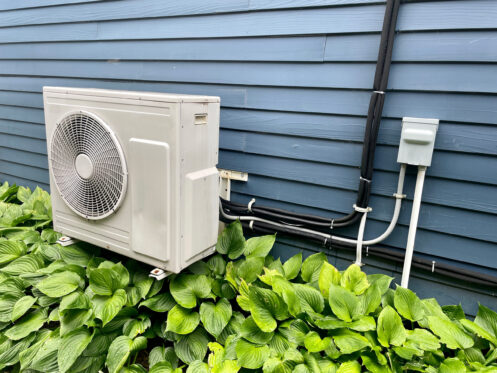
Heat pumps have gained more popularity when it comes to heating in recent years because they move heat rather than create it. This process of transferring heat energy instead of burning fuel allows them to operate with less energy use than traditional systems. Even when outside temperatures drop, heat pumps can still capture and transfer existing heat indoors.
Air-source heat pumps are the most common option for residential homes. Modern models include variable-speed compressors that adjust output gradually rather than switching on and off. This reduces energy use and maintains steadier indoor temperatures. Cold-climate heat pumps have expanded their usefulness in regions where winters are harsher. This offers a realistic alternative to gas furnaces.
Another major advantage is year-round performance. A heat pump cools your home during the summer, replacing the need for a separate air conditioner. This dual capability simplifies maintenance, reduces equipment costs, and creates a system that can handle every season. When you use a heat pump with a smart thermostat, it can enhance your savings even more. These thermostats learn your patterns and automatically adjust the temperature to reduce energy waste. You will be able to enjoy a comfortable space without running unnecessary heating cycles.
Comparing Furnace Types and Their Efficiency
Although heat pumps have an impressive level of performance, furnaces remain a reliable option. Gas, electric, and oil furnaces operate differently. Understanding these differences will help you choose the right system for your needs.
Gas Furnaces
Gas furnaces dominate in many areas because they generate strong, consistent heat. They also operate at high efficiency thanks to modern technology. Condensing gas furnaces capture heat that older furnaces vent outdoors, allowing them to reach AFUE ratings of 90% or higher. They can maintain output during extreme cold, which makes them ideal if you value a predictable performance year after year.
Electric Furnaces
Electric furnaces convert electricity into heat. Although they are often less expensive to install and last a long time, they cost more to operate in regions with high electricity rates. If you are using solar energy or live in a well-insulated home, you may find electric furnaces more favorable.
Oil Furnaces
Oil furnaces remain in service in many older homes. While oil provides powerful heat, it also comes with fluctuating fuel prices and higher emissions compared to gas and electricity. Many homeowners gradually replace oil systems with gas or heat pumps to improve efficiency and reduce maintenance. The best furnace choice depends on fuel availability, climate, energy rates, and the condition of your ductwork and insulation.
Whole-House Fans and Their Role in Heating Efficiency
Whole-house fans are necessary for cooling your home, but they are important during the winter as well. These systems circulate air more evenly through the home. This eliminates cold spots and helps your main heating system maintain a balanced temperature across each room. When air moves freely, the furnace or heat pump doesn’t have to work as hard.
Winter air often becomes stagnant, especially when homes are tightly sealed to conserve heat. Stagnant air allows moisture buildup. High humidity inside a cold home creates a chill that forces the heating system to turn on more frequently. Whole-house fans relieve these issues by improving ventilation and airflow.
Another benefit comes from zone control. When circulation improves, homeowners can keep thermostats a few degrees lower without sacrificing comfort. The fan allows warm air from your living space to reach areas that tend to feel cooler. Whole-house fans work best when paired with good attic insulation, properly sealed ductwork, and efficient heating equipment. Together, these components can create a heating strategy that can maximize comfort and lower operating costs.
Improving Your Home’s Overall Heating Efficiency
Even the best heating system will struggle in a poorly sealed home. Air leaks allow warm air to escape, forcing the system to compensate. Adding insulation, sealing gaps around windows and doors, and repairing duct leaks help your heating system perform at its peak. Smart thermostats also support energy efficiency by adapting heating schedules to your habits. These devices can automatically reduce output during sleeping hours or while you’re away, lowering energy use without lowering comfort.
Regular maintenance plays a major role as well. A clogged filter or dust-covered blower assembly forces your system to work harder, which reduces efficiency and increases the risk of breakdowns. Annual inspections make sure that your furnace or heat pump runs at its intended performance level.
Choosing the Right Heating System for Your Home
Selecting the best heating system requires evaluating your home’s design, insulation levels, and the local climate. Heat pumps are best in moderate climates or homes that need both heating and cooling. High-efficiency gas furnaces offer strong performance in colder areas. Electric furnaces may benefit you if you rely on solar energy.
A home energy assessment provides valuable insight. During this assessment, a professional evaluates your insulation, heating equipment, ductwork, and airflow patterns. You receive a full picture of where heat is being lost, and which upgrades will help you save money. This approach gives you confidence that your investment will be able to improve comfort and efficiency.
Comfort and Savings Through Smarter Heating
Energy-efficient heating solutions help you save money without sacrificing warmth. Heat pumps, high-efficiency furnaces, smart thermostats, and whole-house fans all help reduce energy waste and improve comfort. When you combine efficient equipment with proper insulation and thoughtful airflow strategies, your home remains warm with far less effort from your heating system. At Loves Air, we have been providing energy-efficient heating solutions to the Modesto area since 2018. Contact us at Loves Air in Modesto today for a consultation.